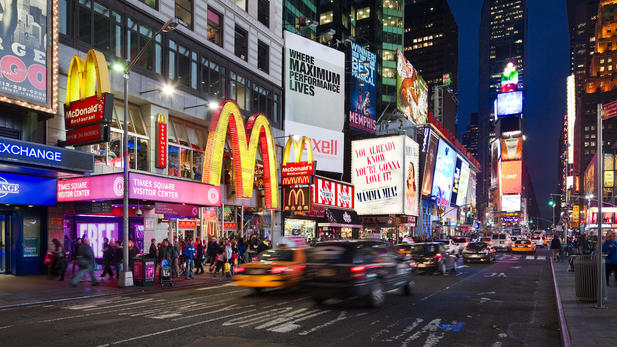
New Yorkers may loathe having to constantly move around slow-walking
tourists on the streets, but in the end, we love many of the same city
spots that sightseers do (admit it). We compiled our favorite iconic
tourist attractions below, and the good news is there are so many great things to do in New York today that there’s enough to go around. And don’t worry, we can still keep the best art shows and NYC exhibits to ourselves…maybe.
Everything for tourism
Sunday, April 5, 2015
Saturday, February 7, 2015
The Best Time For A Morocco Tour
Morocco is often referred to as a cold country with a hot sun. Its summers are exceptionally hot and winters can be chill to the bone. Morocco’s ranges of climates greatly fluctuate due to the country’s geographic location between Europe, Asia, and Africa. Morocco’s unique weather patterns make it possible to find an ideal area to take a Morocco Tour year round, however, recommended months to experience Morocco fall between October and May. Traveling during Ramadan can a little tricky because many shops and tourist sites close early or permanently to observe the month long holiday.
Spring (April and May) and Fall (September and October) are perhaps the best overall time to take a Moroccco Tour. With a summer climate in the south and in the mountains, as well as on the Mediterranean and Atlantic coasts. Winter can be perfect by day in the south, though desert nights can get very cold. If you’re planning to hike in the mountains, it’s best to keep to the months from April to October unless you have some experience in snow conditions.
Travel to Morocco (Book a Tour or call(800) 787-8806. Let us be your guide to Morocco Travel.
Seasons and weather in Morocco take on a whole new meaning as the country is divided into two climatic zones by the High Atlas Mountains. To the north of the High Atlas, the western winds from the Atlantic contribute to the cooler temperatures of the north. Contrastingly, south of the High Atlas, the weather is influenced by the Sahara desert.
If you are not comfortable with very hot weather, it is advisable to avoid scheduling your Morocco Tour during July through August
because these are the hottest times of the year. Also, certain cities
such as Marrakech may continue to be hot until the last weeks of
September. If you decide to take a Morocco Tour during July and August,
it’s a wonderful time to head for the coast, while in the mountains
there are no set rules.
In preparing for a Morocco Tour, keep in mind that Morocco is separated into five regions: the Rif Mountains, the Middle Atlas, High Atlas, Anti-Atlas, and the Sahara desert.
The poetically red Rif Mountains, which are surrounded by plateaus, valleys, and costal plains, parallel the Mediterranean coast. Northern cities by such as Cueta, Tangier, Tetouan, Melilla, and Cala Iris enjoy Mediterranean conditions. The coastal cities by the Mediterranean are generally mild and pleasant all year long; even winter time is enjoyable at temperatures staying at 50 degrees. Autumn and spring time can be a little frustrating with rain spells falling for days at a time. Summers are usually picture perfect with temperatures averaging 77 degrees.
If your Morocco Tour itinerary moves you down the coast of the Atlantic, passing cities such as Moulay Bousselham, Rabat, Casablanca, and Essaouira, expect to enjoy cool wet winters, and dry and moderately hot summers.
For
travelers who adore hot climates, continue towards southern Morocco.
Stop and rest in Fes or Meknes, two popular imperial cities between the
Rif and Middle Atlas mountains. The temperatures here are said to vary
more than any other part of Morocco.
Depending on what time you find yourself in the Middle Atlas during
your Morocco Tour, options for activities vary from skiing in the
winter to finding a cooling refuge from the bitterly hot summer
months. As with most mountain climates, winters in the Middle Atlas are
extremely cold, easily falling below zero, springtime is wet, and
summers are healing and cool.
On a trip to Morocco, Marrakech is a must. The culturally exciting and magical city is located in central Morocco, just two hours north of the High Atlas Mountains.
Its closeness to the mountains and Sahara sand dunes make winters
extremely cold and summers unbearable for the average traveler. Autumn
and springtime are the chosen seasons to take advantage of the central
region as temperatures fall in a blissful range of 68-75 degrees. .
Beyond central Morocco lie the High Atlas Mountains,
running diagonally across Morocco from the Agadir’s Atlantic beaches to
northern Algeria. Travelers come to the High Atlas to rock climb during
the warm months of April to late June and ski between November to May.
The rivers in this part of Morocco are seasonal, bubbling with water
from the melted mountain snow but later turning into puddles during the
summertime. Surprisingly, summer thunderstorms can cause floods, quickly
raising the water level.
If
winter at home is a dreary one, swap it with for a warm and relaxing
winter in Southern Morocco. (Night time can fall below sub-freezing).
Visiting the Anti-Atlas Mountains and traveling the Sahara desert is idyllic during the months of November to February. The south is isolated from the rest of Morocco and is arguably the most hospitable, breathtaking and culturally interesting of any region in the country.
Southern Morocco is divided into three areas:
the Souss Valley, the Anti-Atlas, and the Western Sahara desert.
Winters are popular times to visit any of the three regions, especially
the desert, as the south is semi-tropical with a hot and humid climate;
temperatures rise more than 100 degrees.
Ultimately, Morocco’s
climate is like few others. In one day, it is possible to have a
snowstorm in the mountains, warm weather by the Mediterranean coast, and
a day of unbearable heat in the Sahara followed by sub-zero night
temperatures.
Souks of Morocco
Shopping in Morocco is a unique and exciting experience. No visit to Morocco would be complete without exploring the medinas (walled cities with maze-like streets) of Marrakech, Fès and Ouarzazate. Unlike shopping in the West, where people tend to visit local retailers, in Morocco a shopping trip involves visiting the old medina, and various souks
(markets) within them that sell specific goods ranging from clothing,
to fabrics, shoes, food and carpets. Since most foreign currencies are
strong in comparison to the Moroccan dirham, you can go on an extensive
shopping spree and purchase various local Moroccan handicrafts such as Moroccan leather work, carpets, jewelry of silver, gold and copper along with ancient embroideries and basketwork.
Souks and markets are a major feature in Moroccan life,
and among the country’s greatest attractions. Each major city and town
in Morocco has a special souk quarter. Villages in the country side also
have local souks which are usually held one day each week in an open
field or outside the towns kasbah walls. Large cities like Marrakesh and Fès have labyrinths of individual souks (each filling a street or square that is devoted tone particular craft). The city of Marrakesh, Fès and Ouarzazate are famous for their beautiful souks- which are Morocco’s posh and huge shopping centers. Some of the best buys in Morocco are dates, leather ware, handicrafts, carpets, pottery, wood carvings, traditional dress (djellabas) and various food products.
Souks and markets are also a daily destination where locals shop for fresh meat, vegetables,
household goods and other items that Americans for example, purchase at
Wal-Mart or Target. In the country side, you can find large numbers of
weekly souks (markets). A new alternative to souks in Morocco is Marjane, a Moroccan hypermarket chain, found in large cities like Marrakech, Casablanca, Agadir, Fès, Tétouan and Tangier. Marjane is the “Moroccan Target” and sells a wide variety of items such as food, clothing, liquor, electronics and other household goods.
Whether or not you are a big shopper, visiting a souk is a cultural experience that should not be missed on a trip to Morocco.
ITINERARY
DAY 1: CASABLANCA
►Have breakfast in a local café, visit the Hassan Mosque, and then take the road directly to Fès. Once in Fès you will unpack at your hotel, rest and then have dinner in Fès Novelle.
DAY 2: TOUR FES EL BALI & AROUND
►After breakfast you will begin your guided tour of the Fès medina.
►Fès is separated into three parts, Fès el Bali (the old, walled city), Fes-Jdid (new Fes, home of the Mellah), and the Ville Nouvelle
(the French-created, newest section of Fes). The Medina of Fès el Bali
is believed to be the largest contiguous car-free urban area in the
world. To enter the medina, you will pass through the Bab Boujeloud gateYou
will explore the medina’s narrow streets lined with local shops and
stalls of fresh fruit, mounds of spices, intricately woven Berber
carpets and many other Moroccan handicrafts and home goods. Fès has two
main streets, “Rue Talaa Kebira “ and the “Rue Talaa Seghira “
which are utilized as the main throughways when exploring the medina-
and the mysterious maze-like streets in between. The Fès medina is a
labyrinth of sloping, winding alleyways are crammed full of stalls and
workshops. This area is known as the famed Kissaria -the commercial centerFès
Medina produces its own specialty goods: cobalt blue enameled pottery,
carpets, wrought iron ... one looks on as the dyer stirs his yarns,
steeped in their multitude of colors, as the tanner tramples his skins
under an open sky -skins that the leather-worker will eventually adorn
with fine gilt for book-binding. . A multitude of locally
produced goods are on sale including cotton fabric, silk, brocade work,
slippers, and many more. Each district in the , with its decoration of blue and green faiences.
(Book a Tour or call (800) 787-8806)
WE WILL VISIT THESE HISTORICAL SITES IN THE FES MEDINA:
►Medersa Bou Inania:
An (Islamic school) founded by Abu Inan Faris that is highly decorated
from floor to ceiling. The medersa is one of the few religious places in
Morocco that is accessible to non-Islamic tourists..
►Kairaouine Mosque:
Morocco’s second largest mosque was built by Fatima in 857. The
Kairaouine Mosque became the home of the West's first university and the
world's foremost center of learning at the beginning of the second
millennium.
►University of Al-Karaouine:
Founded in 859, this university is one of the leading spiritual and
educational centers of the Muslim world and is considered the oldest
continuously operating institution of higher learning in the world.
►Medersa el Attarin:
A (Koranic school) that was named for local spice merchants known as
attar. Founded by Sultan Abou Saïd in the 14th century as a students'
dormitory, it is attached to the Kairaouine Mosque.
►Zaouia Moulay Idriss II:A
zaouia (shrine) dedicated to and the tomb of Moulay Idriss II, who
ruled Morocco from 807 to 828 and founded the city of Fès for the second
time in 810.
►Dar Batha: A
Hispano-Moorish palace dating from the end of the XIXth century that
houses admirable collections of traditional art from Fès.
►Stop for lunch at one of the palace-restaurants
medina at one of the fine Moroccan restaurants which serve an
extravaganza of mezas (small plates of food) common among FassisChoukchouka
salad, Zaalouk salad, Carrots with Cumin Seed, rasin and orange salad,
Cold radish, orange, and Fennel Salad. The mezas are traditionally
followed by the main meal which will include the option of a: Lamb,
Prune, and Date Tagine, a Chicken Tagine with Olives and Preserved
Lemons or a Vegetable Tagine. For desert you will be served with fruit/
or local Moroccan pastries along with Mint Tea. tradition. The mezas that are often brought to your table prior to the large mid-day meal will be several of these:
►After lunch you can explore the souks in the old Medina Fès el Bali more
in depth and even stay well into the evening, as many shops are open
after sunset. The layout of the souk is a complex network of streets
,centered around the kissaria, selling luxury goods like fine silks and
brocades, high quality kaftans and jewelry. There are also souks like
the El-Attarine Souk selling spices, a slipper souk and a henna souk,
which is set in a shaded area planted with arbuses.
►Weavers Cooperative: We
will also visit the Weavers Cooperative located in a residential
neighborhood off a main shopping street. The workshop specializes in
weaving the finest jellaba fabric, made of silk and wool threads imported from Italy. The shop also makes a quality jellaba fabric from locally spun, textured wool thread called hubba -sometimes referred to as couscous, because it’s nubby texture resembles Morocco's national semolina dish of the same name.
►Berber Carpet Demonstration: The
Famous Exhibition of Antique and Modern Carpets is one of the places in
Fès el Bali where you can see a Berber carpet demonstration. You will
be offered mint tea and follow your guide up a coil of stairs to a small
area to watch carpets being made by young girls who come from the
mountains to show tourists how Berber carpets are made.
►Tanneries: The
Chourara or the Tanner’s Quarters is the most lively and picturesque
souks in Fès. The Tanneries are often located near watercourses like the
Wadi Fès and at a distance from residential areas due to the strongly
unpleasant smells they produce.
►Dyers Market: The
dyers market, located along Rue de Teinturies, is the best place to see
the dying vats which have been used for centuries to soak the skins of
sheep, goat, cows and camels after they have their hair and flesh
removed is best seen from the neighboring terraces. You will see many
tanned hides colored with natural pigments ranging from shades of brown,
black, turquoise fuchsia, yellow and orange.
►Potter's Cooperative: You
will also visit the Potter's Cooperative. Also known as Place
el-Seffarine, this kisseria is the most important center for the
production Fasiss style ceramics, brass-ware and silverware in Morocco.
(Book a Tour or call (800) 787-8806)
DAY 3: TOUR FES - JDID & VILLE NOUVELLE
►After
a breakfast of Moroccan semolina bread, a fruit and nut or avocado
milkshake and hot coffee in the Ville Nouvelle, we can explore the new
city which dates from the French Protectorate that lies south of Fès el
Bali. The New Town is one of the most impressive in Morocco with its
gardens and streets flanked with shops, cafes, restaurants and
minerature souks. Administrative buildings and modern hotels also
populate the areas clean streets which are filled with locals, tourists
and many petite taxis.
►Originally
the Ville Novelle shopping center was designed to accommodate
westerners living in Morocco; however, today it is considered to be a
modern Moroccan city and used by foreigners and Moroccans. There are
five mosques within Ville Nouvelle that were built after Morocco won its
independence in 1956. Visit the exterior of the mosques and admire the
attractive French architecture and the apartment buildings easily
identified by their elegant balconies.
►Have
lunch in one of the international restaurants in Ville Nouvelle then do
a little shopping. Ville Nouvelle has well stocked shops filled with
Moroccan crafts and foods from all over Morocco. The square is
especially known for having some of the best tailors in Morocco. OnLalla
Miriem you can find handmade caftans, jallabas and gandouras of which
you can have custom made. Turn in early to your hotel to relax for a bit
and then enjoy the evening at one of famous restaurants in Fès for
dinner such as Le Maison Bleu or Imperial Fès Restaurant where your
dinner will be accompanied by local musicians and belly dance.
DAY 4: TAKE THE ROAD TO MARRAKESH
►Wake up early, have breakfast and then take the road to Marrakesh. Once in Marrakesh you will unpack at your hotel, rest and head to Djemme El Fna Square for a dinner where
aromatic smoke fumes linger off the delicious delicacies sold in the
square and the sounds of Moroccan music fill the air. Food is prepared
hot and fresh everywhere along the lines of countless food stalls. The
entire square is dark except for the gas lamps lighting up the food
vendors cooking area and illuminating the towers of greasy smoke sailing
over the Djemma.
DAY 5: MARRAKECH / SHOPPING IN DJEMMA EL FNA SQUARE
►After
breakfast, departure from your hotel. Your introduction to Marrakesh’s
shopping district will begin in the Medina, the old quarter of the
Marrakesh. From here we will explore the historically charming area by
foot. In Djemma el Fna Square, you will find a lively area filled with artisan shops, aromatic bakeries, and excited shopkeepers eager meet you.
►Your
guide will help you navigate through the labyrinth like streets and
alleys of the Djemma. Enjoy the aromatic streets, taste the fresh
squeeze orange juice and venture into the souks (shops) specializing in
Berber carpets, silver jewelry, artisan workshops, handmade shoes,
tanneries, etc.
The souks are laid out in the narrow streets north and east of Place Jemaa el-Fna
and stretch from the Ben Youssef Mosque in the north to the Souk
Smarine in the south. There is a different entrance to get into the
Djemaa el Fna, just to the left of the Café Argana, which leads into the Bab Ftouh area and up Rue Mouassine; Rue Souk Semarine, through the potters' market; and opposite Café de France, to the left of the mosque, through the olive market. One can enter through any of the Babs (gates) in the walls, such as Bab Lakhsour, and just walk in the direction of Djemaa el Fna and everywhere you will see handicrafts bazaars.
►In
recent times, a goods and handicrafts were mixed throughout the souk
however most sections remain separate today. The Marrakesh Souks worth
exploration for the ultimate shopping experience are: Souk Semarine, and clothing, Souk Rahba Qdima, which is known as La Criée Berbère (the Auction Crier) has rugs, carpets, and sheepskins with many pharmacies. Souk el Attarine has spices and perfumes; Souk des Bijoutiers has jewelry; Souk des Forgerons has copperware; Souk Larzal is the wholesale wool market; Souk des Teinturiers is the wool dyers' market; Souk des Babouches sells the pointed slippers a traditional favorite worn Moroccans; Souk Chouari is where carpenters work in wood and you will find lovely smells of cedar; Souk Haddadine sells ironwork; and Souk Cherratin
offers a range of leather goods (with dozens of purse-makers and sandal
cobblers). Tanneries, due to their unpleasant odors, are kept at the
edges of Marrakesh.a main thoroughfare, traditionally dominated by textiles
►Entering the souks via Rue de Souk Smarine (clothing) or Bab Doukkala you will pass the former slave market and arrive at Rahba Kedima
“Old Square” where magicians and healers buy their supplies and local
Marakeshis from the country side sell fruit, vegetables and live
chicken. Heading north of Rahba Kedima you will see Souk el Batna, which sells thousands of leather sheep skins, Souk Zrabia- the main carpet market, Souk el Kebir-sells leatherwork and Souk des Bijoutiers sells jewelry.
►Have
lunch at a traditional Moroccan restaurant in the medina then continue
shopping within the Djemma El Fna. Near the Rue Bab Doukkala is the Souk Haddadine
where there is a constant sound of hardworking brass and copper workers
clamoring away at metal and melting it to make trays, lanterns, grills,
locks and keys. At this point, you will have exhausted much of the
kisseria and perhaps want to head back to a favorite area or return to
your hotel to relax prior to dinner.
Moroccan Music & Artists > Nass El Ghiwane Musicians
Nass
El Ghiwane appeared on the scene in the late 1960's in Morocco.
Whenever mentioned in the Western literature, they are referred to as
The Rolling Stones of Africa, as American Producer Martin Scorsese once
put it. They have been the most politicized of all the chaabbi-fusion
groups and placed great emphasis on their lyrics, which are renowned
throughout Morocco and North Africa.
Nass
El Ghiwane are living legends who merged the rich repertoire of
traditional Moroccan music with lyrics that sited political and social
injustices. The group was formed by four young men from the poor
district of Hay el Mohammadi in industrial Casablanca. Laarbi Batma (who
came from the Chaouia region to Kariane Jdid) met Boujemaa Hagour (who
came from the Tata (Morocco) region to Derb Moulay Cherif) through their
mutual friend Omar Essayed. While performing the piece "Al Majdoub" in
the theater troupe, Tayeb Essidiki, for Parisian crowds in the summer of
1969, they had the idea of using traditional music as a way to express
themselves onstage. Hence Nass El Ghiwane was born.
In
a time where the only music available was middle-eastern pop music that
sang about love, Nass el Ghiwane had prepared something new for
Morocco: they mixed the Sufi chants and litanies of Zaouias
(brotherhoods) like the Hmadcha and Aissawa with the elegant colloquial
poetry of Melhoun adding to it the ancient rhythms of the Berbers and
the healing dances of the mystical Gnaouas.
Morocco
just receiving its independence from the French and its population,
still uncertain of what the future was hiding, was shocked and moved by
the texts of Nass el Ghiwane: corruption, injustice and degradation of
society. They were the first Moroccan band to mix such a diverse and
rich heritage and to speak their minds even about the most forbidden
subjects.
The
group had already started gaining momentum with live appearances in the
Radio Television Marocaine when they hired talented traditional arts
student Moulay Abdelaziz Tahiri. Abdelaziz was a close friend and
collaborator of Boujemaa. He was very interested in reviving the Malhun
repertoire of traditional Moroccan music and he would later leave Nass
el Ghiwane to return to his hometown Marrakesh to be a founding member
of Jil Jilala. Within Nass el Ghiwane, he played the Guembri, instrument
of the Gnaoua people of Morocco, in addition to singing. Then for a
brief period (less than a year), Allal would leave and a friend of
Abdelaziz, Mahmoud Essaadi, would replace him. He was playing the lute
strings with a 1/2-step mandolin, and would leave very soon after, to
reemerge later with Jil Jilala.
Nass
el Ghiwane specialized in writing colloquial poetry about topics
related to the social and political climate and arranging its music in
the Moroccan tradition. They found songs from music, like the Aïta
(Echems
Ettalaa, Elhassada, Sif el Bettar, Ghadi Fhali...), the Malhun (Han wa
Chfeq, Mezzine Mdihek, Qalet...), and Gnaoua (Ghir Khoudouni, Lebtana,
Mahmouma, Essadma, Ouach Jralek...), the Hmadcha (Laayate Aalik) and the
Jil Jilala (Allah ya Moulana, Haoulouni)
Although
there were recordings of the band with Disques Gam and the RTM being
played on the radio and on TV, their first release was Essiniya (Disque
D'Or) with Disques Ouhmane in 1974.
By
the release of the immortal Essiniya album, it was just a matter of
time before they became veterans of Moroccan music. They were the voice
of the oppressed lower class and were banned on some occasions to sell
their records and play on venues for the incredible amount of energy
(and rebellion) they delivered to their public.
Soon
after the release of Essiniya, Abdelaziz left the band due to artistic
disagreement. He was replaced by the great Abderrahmane Qirouche, also
known to the west as Abderrahmane Paco or in Morocco as Maalem
Abderrahmane Baca. He was a Gnaoua Maalem from Essaouira working also as
a carpenter. He is also believed to have played with Jil Jilala for a
brief period of time in their early years. Although in Abdelaziz they
lost a great Melhoun writer, in Paco they gained a solid Gnaoua artist.
The
instruments Nass el Ghiwane used were: drums and strings. They did not
use any form of technology, except for amplification. They used
traditional percussion instruments like the Bendir, Derbouka, Daadou',
Ta'rija and Tbila as well the Guembri and the Arabic lute.
During subsequent years Boujemaa and Laarbi died leave the group to restructure itself several times.
In
1999, Rachid Batma saved the band from extinction and took over his
older brother's Tbila. They recorded "May Doum Hal" during the same
year, and included the same song as a tribute to Laarbi. Nass el Ghawane
toured afterwards reaching world festivals in USA, Canada, France,
Germany, Holland, Belgium and Tunisia. They re-recorded some of their
most notorious songs for a best-of compilation Ghiwaniate in 2000.Then
in 2002 they released a new CD titled Haoud Enna'naa and in January 2005
they received the Golden Rebab prize of achievement.
More
than thirty years after their inception, Nass el Ghiwane are still
faithful to themselves and to their fans; they still play the same
traditional instruments and sing about the same challenging matters
within Moroccan culture.
Souks of Morocco Tour
10 Day Tour: Travel & Shop The Souks of Morocco
Duration: 9:00am - 6:00pm Daily
Morocco Travel: In Luxury 4x4
English, French Speaking Driver, Guide
Starting & Finishing Point: Your Hotel In Casablanca / Airport in Marrakech
Duration: 9:00am - 6:00pm Daily
Morocco Travel: In Luxury 4x4
English, French Speaking Driver, Guide
Starting & Finishing Point: Your Hotel In Casablanca / Airport in Marrakech
This fun-filled Shop the Souks of Morocco Tour is for the Moroccan traveler (Book a Tour or call (800) 787-8806) who wants to learn how local crafts are made with opportunities to explore and buy. Let us be your guide to Morocco Travel.
Shopping in Morocco is a unique and exciting experience. No visit to Morocco would be complete without exploring the medinas (walled cities with maze-like streets) of Marrakech, Fès and Ouarzazate. Unlike shopping in the West, where people tend to visit local retailers, in Morocco a shopping trip involves visiting the old medina, and various souks
(markets) within them that sell specific goods ranging from clothing,
to fabrics, shoes, food and carpets. Since most foreign currencies are
strong in comparison to the Moroccan dirham, you can go on an extensive
shopping spree and purchase various local Moroccan handicrafts such as Moroccan leather work, carpets, jewelry of silver, gold and copper along with ancient embroideries and basketwork.
Souks and markets are a major feature in Moroccan life,
and among the country’s greatest attractions. Each major city and town
in Morocco has a special souk quarter. Villages in the country side also
have local souks which are usually held one day each week in an open
field or outside the towns kasbah walls. Large cities like Marrakesh and Fès have labyrinths of individual souks (each filling a street or square that is devoted tone particular craft). The city of Marrakesh, Fès and Ouarzazate are famous for their beautiful souks- which are Morocco’s posh and huge shopping centers. Some of the best buys in Morocco are dates, leather ware, handicrafts, carpets, pottery, wood carvings, traditional dress (djellabas) and various food products.
Souks and markets are also a daily destination where locals shop for fresh meat, vegetables,
household goods and other items that Americans for example, purchase at
Wal-Mart or Target. In the country side, you can find large numbers of
weekly souks (markets). A new alternative to souks in Morocco is Marjane, a Moroccan hypermarket chain, found in large cities like Marrakech, Casablanca, Agadir, Fès, Tétouan and Tangier. Marjane is the “Moroccan Target” and sells a wide variety of items such as food, clothing, liquor, electronics and other household goods.
Whether or not you are a big shopper, visiting a souk is a cultural experience that should not be missed on a trip to Morocco.
ITINERARY
DAY 1: CASABLANCA
►Have breakfast in a local café, visit the Hassan Mosque, and then take the road directly to Fès. Once in Fès you will unpack at your hotel, rest and then have dinner in Fès Novelle.
DAY 2: TOUR FES EL BALI & AROUND
►After breakfast you will begin your guided tour of the Fès medina.
►Fès is separated into three parts, Fès el Bali (the old, walled city), Fes-Jdid (new Fes, home of the Mellah), and the Ville Nouvelle
(the French-created, newest section of Fes). The Medina of Fès el Bali
is believed to be the largest contiguous car-free urban area in the
world. To enter the medina, you will pass through the Bab Boujeloud gateYou
will explore the medina’s narrow streets lined with local shops and
stalls of fresh fruit, mounds of spices, intricately woven Berber
carpets and many other Moroccan handicrafts and home goods. Fès has two
main streets, “Rue Talaa Kebira “ and the “Rue Talaa Seghira “
which are utilized as the main throughways when exploring the medina-
and the mysterious maze-like streets in between. The Fès medina is a
labyrinth of sloping, winding alleyways are crammed full of stalls and
workshops. This area is known as the famed Kissaria -the commercial centerFès
Medina produces its own specialty goods: cobalt blue enameled pottery,
carpets, wrought iron ... one looks on as the dyer stirs his yarns,
steeped in their multitude of colors, as the tanner tramples his skins
under an open sky -skins that the leather-worker will eventually adorn
with fine gilt for book-binding. . A multitude of locally
produced goods are on sale including cotton fabric, silk, brocade work,
slippers, and many more. Each district in the , with its decoration of blue and green faiences.
(Book a Tour or call (800) 787-8806)
WE WILL VISIT THESE HISTORICAL SITES IN THE FES MEDINA:
►Medersa Bou Inania:
An (Islamic school) founded by Abu Inan Faris that is highly decorated
from floor to ceiling. The medersa is one of the few religious places in
Morocco that is accessible to non-Islamic tourists..
►Kairaouine Mosque:
Morocco’s second largest mosque was built by Fatima in 857. The
Kairaouine Mosque became the home of the West's first university and the
world's foremost center of learning at the beginning of the second
millennium.
►University of Al-Karaouine:
Founded in 859, this university is one of the leading spiritual and
educational centers of the Muslim world and is considered the oldest
continuously operating institution of higher learning in the world.
►Medersa el Attarin:
A (Koranic school) that was named for local spice merchants known as
attar. Founded by Sultan Abou Saïd in the 14th century as a students'
dormitory, it is attached to the Kairaouine Mosque.
►Zaouia Moulay Idriss II:A
zaouia (shrine) dedicated to and the tomb of Moulay Idriss II, who
ruled Morocco from 807 to 828 and founded the city of Fès for the second
time in 810.
►Dar Batha: A
Hispano-Moorish palace dating from the end of the XIXth century that
houses admirable collections of traditional art from Fès.
►Stop for lunch at one of the palace-restaurants
medina at one of the fine Moroccan restaurants which serve an
extravaganza of mezas (small plates of food) common among FassisChoukchouka
salad, Zaalouk salad, Carrots with Cumin Seed, rasin and orange salad,
Cold radish, orange, and Fennel Salad. The mezas are traditionally
followed by the main meal which will include the option of a: Lamb,
Prune, and Date Tagine, a Chicken Tagine with Olives and Preserved
Lemons or a Vegetable Tagine. For desert you will be served with fruit/
or local Moroccan pastries along with Mint Tea. tradition. The mezas that are often brought to your table prior to the large mid-day meal will be several of these:
►After lunch you can explore the souks in the old Medina Fès el Bali more
in depth and even stay well into the evening, as many shops are open
after sunset. The layout of the souk is a complex network of streets
,centered around the kissaria, selling luxury goods like fine silks and
brocades, high quality kaftans and jewelry. There are also souks like
the El-Attarine Souk selling spices, a slipper souk and a henna souk,
which is set in a shaded area planted with arbuses.
►Weavers Cooperative: We
will also visit the Weavers Cooperative located in a residential
neighborhood off a main shopping street. The workshop specializes in
weaving the finest jellaba fabric, made of silk and wool threads imported from Italy. The shop also makes a quality jellaba fabric from locally spun, textured wool thread called hubba -sometimes referred to as couscous, because it’s nubby texture resembles Morocco's national semolina dish of the same name.
►Berber Carpet Demonstration: The
Famous Exhibition of Antique and Modern Carpets is one of the places in
Fès el Bali where you can see a Berber carpet demonstration. You will
be offered mint tea and follow your guide up a coil of stairs to a small
area to watch carpets being made by young girls who come from the
mountains to show tourists how Berber carpets are made.
►Tanneries: The
Chourara or the Tanner’s Quarters is the most lively and picturesque
souks in Fès. The Tanneries are often located near watercourses like the
Wadi Fès and at a distance from residential areas due to the strongly
unpleasant smells they produce.
►Dyers Market: The
dyers market, located along Rue de Teinturies, is the best place to see
the dying vats which have been used for centuries to soak the skins of
sheep, goat, cows and camels after they have their hair and flesh
removed is best seen from the neighboring terraces. You will see many
tanned hides colored with natural pigments ranging from shades of brown,
black, turquoise fuchsia, yellow and orange.
►Potter's Cooperative: You
will also visit the Potter's Cooperative. Also known as Place
el-Seffarine, this kisseria is the most important center for the
production Fasiss style ceramics, brass-ware and silverware in Morocco.
(Book a Tour or call (800) 787-8806)
DAY 3: TOUR FES - JDID & VILLE NOUVELLE
►After
a breakfast of Moroccan semolina bread, a fruit and nut or avocado
milkshake and hot coffee in the Ville Nouvelle, we can explore the new
city which dates from the French Protectorate that lies south of Fès el
Bali. The New Town is one of the most impressive in Morocco with its
gardens and streets flanked with shops, cafes, restaurants and
minerature souks. Administrative buildings and modern hotels also
populate the areas clean streets which are filled with locals, tourists
and many petite taxis.
►Originally
the Ville Novelle shopping center was designed to accommodate
westerners living in Morocco; however, today it is considered to be a
modern Moroccan city and used by foreigners and Moroccans. There are
five mosques within Ville Nouvelle that were built after Morocco won its
independence in 1956. Visit the exterior of the mosques and admire the
attractive French architecture and the apartment buildings easily
identified by their elegant balconies.
►Have
lunch in one of the international restaurants in Ville Nouvelle then do
a little shopping. Ville Nouvelle has well stocked shops filled with
Moroccan crafts and foods from all over Morocco. The square is
especially known for having some of the best tailors in Morocco. OnLalla
Miriem you can find handmade caftans, jallabas and gandouras of which
you can have custom made. Turn in early to your hotel to relax for a bit
and then enjoy the evening at one of famous restaurants in Fès for
dinner such as Le Maison Bleu or Imperial Fès Restaurant where your
dinner will be accompanied by local musicians and belly dance.
DAY 4: TAKE THE ROAD TO MARRAKESH
►Wake up early, have breakfast and then take the road to Marrakesh. Once in Marrakesh you will unpack at your hotel, rest and head to Djemme El Fna Square for a dinner where
aromatic smoke fumes linger off the delicious delicacies sold in the
square and the sounds of Moroccan music fill the air. Food is prepared
hot and fresh everywhere along the lines of countless food stalls. The
entire square is dark except for the gas lamps lighting up the food
vendors cooking area and illuminating the towers of greasy smoke sailing
over the Djemma.
DAY 5: MARRAKECH / SHOPPING IN DJEMMA EL FNA SQUARE
►After
breakfast, departure from your hotel. Your introduction to Marrakesh’s
shopping district will begin in the Medina, the old quarter of the
Marrakesh. From here we will explore the historically charming area by
foot. In Djemma el Fna Square, you will find a lively area filled with artisan shops, aromatic bakeries, and excited shopkeepers eager meet you.
►Your
guide will help you navigate through the labyrinth like streets and
alleys of the Djemma. Enjoy the aromatic streets, taste the fresh
squeeze orange juice and venture into the souks (shops) specializing in
Berber carpets, silver jewelry, artisan workshops, handmade shoes,
tanneries, etc.
The souks are laid out in the narrow streets north and east of Place Jemaa el-Fna
and stretch from the Ben Youssef Mosque in the north to the Souk
Smarine in the south. There is a different entrance to get into the
Djemaa el Fna, just to the left of the Café Argana, which leads into the Bab Ftouh area and up Rue Mouassine; Rue Souk Semarine, through the potters' market; and opposite Café de France, to the left of the mosque, through the olive market. One can enter through any of the Babs (gates) in the walls, such as Bab Lakhsour, and just walk in the direction of Djemaa el Fna and everywhere you will see handicrafts bazaars.
►In
recent times, a goods and handicrafts were mixed throughout the souk
however most sections remain separate today. The Marrakesh Souks worth
exploration for the ultimate shopping experience are: Souk Semarine, and clothing, Souk Rahba Qdima, which is known as La Criée Berbère (the Auction Crier) has rugs, carpets, and sheepskins with many pharmacies. Souk el Attarine has spices and perfumes; Souk des Bijoutiers has jewelry; Souk des Forgerons has copperware; Souk Larzal is the wholesale wool market; Souk des Teinturiers is the wool dyers' market; Souk des Babouches sells the pointed slippers a traditional favorite worn Moroccans; Souk Chouari is where carpenters work in wood and you will find lovely smells of cedar; Souk Haddadine sells ironwork; and Souk Cherratin
offers a range of leather goods (with dozens of purse-makers and sandal
cobblers). Tanneries, due to their unpleasant odors, are kept at the
edges of Marrakesh.a main thoroughfare, traditionally dominated by textiles
►Entering the souks via Rue de Souk Smarine (clothing) or Bab Doukkala you will pass the former slave market and arrive at Rahba Kedima
“Old Square” where magicians and healers buy their supplies and local
Marakeshis from the country side sell fruit, vegetables and live
chicken. Heading north of Rahba Kedima you will see Souk el Batna, which sells thousands of leather sheep skins, Souk Zrabia- the main carpet market, Souk el Kebir-sells leatherwork and Souk des Bijoutiers sells jewelry.
►Have
lunch at a traditional Moroccan restaurant in the medina then continue
shopping within the Djemma El Fna. Near the Rue Bab Doukkala is the Souk Haddadine
where there is a constant sound of hardworking brass and copper workers
clamoring away at metal and melting it to make trays, lanterns, grills,
locks and keys. At this point, you will have exhausted much of the
kisseria and perhaps want to head back to a favorite area or return to
your hotel to relax prior to dinner.
Travel To The Majorelle Garden in Marrakech, Morocco
The subtropical Majorelle Garden is located in the heart of Gueliz, Hivernage within the Imperial city of Marrakech.
It is one of the most delightful and stunning spots within this red
walled city. To arrive at this meticulously designed botanical garden
you must pass through Marrakech’s medina filled with acres of olive
groves and palms.
The
Majorelle Garden (Jardin Majorelle) previously the Jardin Bou Saf, was
designed by the French expatriate artist Jacques Majorelle in 1924.
Jacques Majorelle was the son of the celebrated Art Nouveau furniture
designer Louis Majorelle. He studied at the École des Beaux-Arts in
Nancy in 1901 and later in 1919 he went to Marrakech, Morocco to
recover from heart problems. He built the garden during those years
using special colour of blue which he used extensively in the garden
that is named after him, Majorelle Blue. Jacques Majorelle returned to
France in 1962 after a car incident and died later that year of
complications from his injuries. Even though Morocco is no longer under
the French protectorate, this originally French creation is one of the
most beloved areas in Morocco.
Although
the Majorelle Garden has existed in Morocco for decades, it was only
made famous abroad when the Majorelle Garden’s former owner and
care-taker, fashion designer Yves Saint Laurent, featured it in the 1997
Chelsea Flower Show in London. Since this time, many have journeyed to
Morocco just to see the Majorelle Garden.
Yves
Henri Donat Mathieu-Saint-Laurent, known as Yves Saint Laurent was born
on August 1, 1936 in Oran, Algeria. Laurent became a fashion designer
and was considered one of the greatest figures in French fashion in the
20th century. He was one of the most celebrated and influential
designers of the past twenty-five years. During the 1960s and 1970s
Saint Laurent was considered one of Paris's "jet set". He was often seen
at clubs in France and New York such as Regine's and Studio 54. When he
was not actively supervising the preparation of a collection, though,
he spent time at his second home in Marrakech,Morocco.
Recently,
the gift shop within the Majorelle Garden has been redesigned to
include some of the most fashionable Jalabas and a wealth of books and
unique gift items. The garden has also been re-cropped with new trees,
plants, cactus and grass so it continues to remain a Moroccan treasure
trove. .
The
Majorelle and its buildings are embellished by a unique shade of cobalt
blue - the featured color in the garden. The garden is twelve acres in
size and radiates with multi-colored bougainvillea, rows of bright
orange nasturtiums, pink geraniums, bold pergolas and concrete paths
that exist in shades of pastel pink, lovely lemon and apple green.
With
the garden there are the over fifteen different species of birds, such
as turtle doves, bulbuls and house buntings. With its beautiful groves
of bamboo, date palms and various lily covered pools, it is little
wonder why these marvelous creatures choose Majorelle Garden as their
home.
When
visiting the Majorelle Garden, make sure not to miss petite well
curated Islamic Art Museum of Marrakech, which is located on the
garden’s grounds. The collection includes Northern African textiles,
traditional killims (carpets) of Arabic and Berber design, pottery, jewelry, ceramics, furniture, paintings and two large doors from Yves Saint-Laurent’s personal collection.
The
Majorelle Garden is open all year long with the exception of October
and November. The hours change depending on the time of year so make
sure to check your itinerary against garden’s schedule.
If
after exploring the Majorelle Garden, you still feel compelled to see
more of Marrakesh's botanical beauty, there are a few other gardens
worth the visit.
The most famous are the Agdal and the Menara, two gardens designed with the purpose of being a place of relaxation.
Agdal Garden
South
of the Royal Palace and the Mellah, many visit Agdal on as continuation
to touring the lower Medina. The garden is only open on Fridays and
Sundays and if the king is in Marrakech it is often closed. The Agdal is
renowned for its system of wells and underground channels that stretch
out to the Ourika Valley.
Inside the garden are orange, fig, lemon, apricot and pomegranates
orchards that are divided into square, irrigated plots raised by
walkways and avenues of olive trees.
Menara Garden
The
Menara Gardens, built in the 12th century, is more widely visited than
the Agdal Gardens due to its accessibility to tourists and Moroccans.
The gardens located on the Avenue de la Menara and are easy to find.
Many families picnic they are surrounded by a picture perfect background
of the Atlas Mountains
and lovely groves of olives. On Wednesday - Saturday, the garden is a
city highlight as its pool area gets overtaken with acrobats, dancers
and fireworks. In summer, the Menara has several drink stalls. The name
menara derives from the pavilion with its small green pyramid roof
(menzeh). The pavilion was built during the 16th centurysurrounding an
artificial lake - the point of confluence of a canal system - used to
irrigate the surrounding gardens and orchards.
Travel to Morocco & Visit the Todra Gorge
The Todra Gorge
is a trench of gigantic rock walls that, change color and run through
the High Atlas Mountains creating an absolutely magnificent spectacle.
Many Morocco travelers visit the Todra Gorge as they journey through the south on the ‘Road of One Thousand Kasbahs’, a route from Ouarzazate to
Erfoud where these century old pisé fortifications remain. The mining
town of Tinerhir is the base town for visiting the Todra Gorge. The
Gorge is breathtaking and easy hike by foot with many places to stop to
photograph along its well-maintained dirt road. Part of the spectacular
scenery includes an opportunity to see how the local Berbers live as
nomads; as they stroll through the gorges many winding roads hering
their donkeys and camels.
During the drive from Tinerhir to the gorge there are thick passages of palmeries and Berber villages. What ever direction you begin your journey the route that brings you to the Todra Gorge should taken slowly as it is truly remarkable. This is especially true if you are coming from the barren parts of the oases before the Todra.
The
palmeries that begin from Tinerhir line both sides of the Todra River
and can be reached by car or bicycle. Traveling this region of Morocco
by 4x4 along with a guide is recommended. However if you are not
traveling during the summer time and you will be in Morocco for several
weeks then consider renting a bicycle to explore the gorge as it will
add charm to your trip.
The
palmary that leads up to the gorge is best visited a couple hours prior
to sunset as the affects of the suns rays make every color on the palm
leaves stand out. Make sure to stop along the way to enjoy the fragrant
smell of the pomegranate, almond and fruit trees that lie just beyond
the olive terraces. Within the garden, there are also ksours (single
Kasbahs) around to explore.
Once
you arrive to the gorge, you will be eager to explore it. In recent
years, the Todra Gorge has attracted allot of attention from serious
climbers and hikers. The rock formations vary between twenty- five to
three hundred meters and there are over one hundred fifty hundred routes
to explore.
Come
prepared with an itinerary if you are an independent traveler or it is
likely that you may feel pressure from the guides huddling around the
bottom of the gorge to take a tour. A tour is suggested if you don’t
have your own itinerary as it will provide you with a history lesson on
the gorge and the Berber population that lives nearby.
If
you think that you may want to stay the night surrounded by the jaw
dropping beauty of Todra, you can do so. It is possible to stay at the
mouth of the gorge, right next to the three hundred meter cliffs. This
option is especially popular with gorge climbers and hikers who explore
until the last bit of light leaves the area. The three hotels by the
foothills of the cliff are simple and inexpensive. However, if weather
permits an even better option is to spend the night outside just
underneath the overhanging cliffs, the most dramatic part of the gorge.
Les Roches and Yasmina are the hotels there; their prices fluctuate
depending on the season. An interesting sleeping option both hotels
provide is to sleep underneath the stars on their terraces.
On
a final note, be prepared to see a wholesome amount of tourists. As the
Todra Gorge is not difficult to reach, many tourist buses make a stop
on their way to the villages of Tamtatotoucht and Aït Hani.
If
you want to see traditional Berber villages, it is easy to do so from
the Todra Gorge as they are located on the surfaced road running between
Tinerhir and Tamtatoucht. Add adventure and mystery to your expedition
by making the trip on a mountain bike or ask your guide take an offbeat
route so you can stop to visit a local Berber family for couscous and
tea.
Subscribe to:
Comments (Atom)